
RALPH BUNCHE ELEMENTARY SCHOOL
I-375 is a 1.06-mile spur that pierces Detroit's downtown. Begun in 1959, this 4-lane, below-grade freeway disconnected Detroit's Riverfront, Greektown, Eastern Market, Stadium districts, as well as, of course, Black Bottom and Paradise Valley from its supporting residential neighborhood McDougall-Hunt.
Project by Lawrence Technological University M.Arch student Julia Fritsch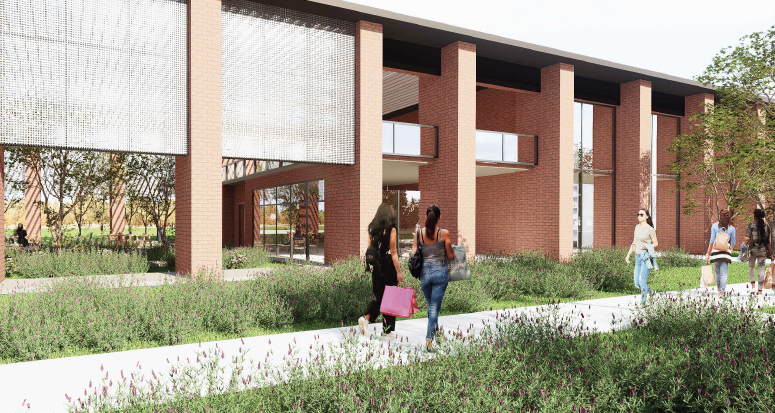
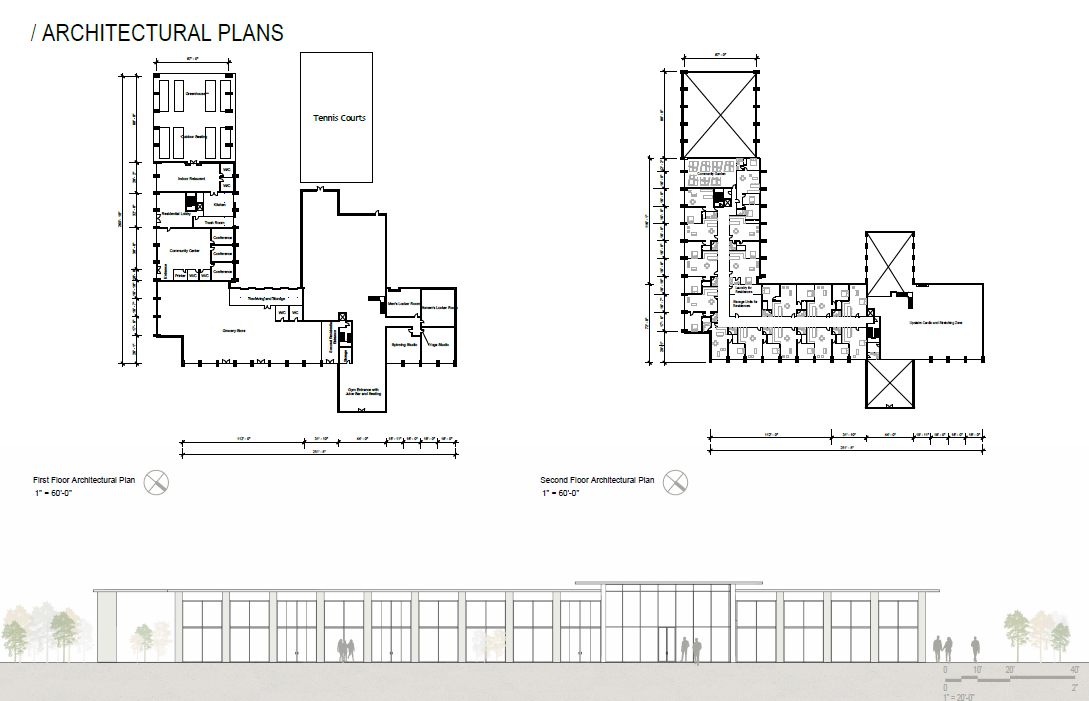
Project by Lawrence Technological University M.Arch Student Julia FritschAdaptive Reuse
Spring 2025
Urban freeway building in the 1950s and 1960s accomplished the goals and reflected the values of planners, elected and appointed officials, and many civic leaders. One of the goals was to address the migration of residents, employment, and retailers from central cities to the suburbs. Planners thought that if suburban residents could get in and out of the city more easily and quickly, the downtown would be more competitive as a shopping and office destination. Urban cut-through freeways succeeded in increasing mobility in and out of cities. The expected benefit to central business districts typically did not follow, however. For suburban visitors and workers, coming into the city became like a surgical strike, involving little interaction with the city beyond a specific destination.
This assignment asked students to do significant research into the topics surrounding the breakup of the McDougall-Hunt neighborhood. In conjunction with this research, students were tasked with interviewing residents to ascertain needs and priorities.
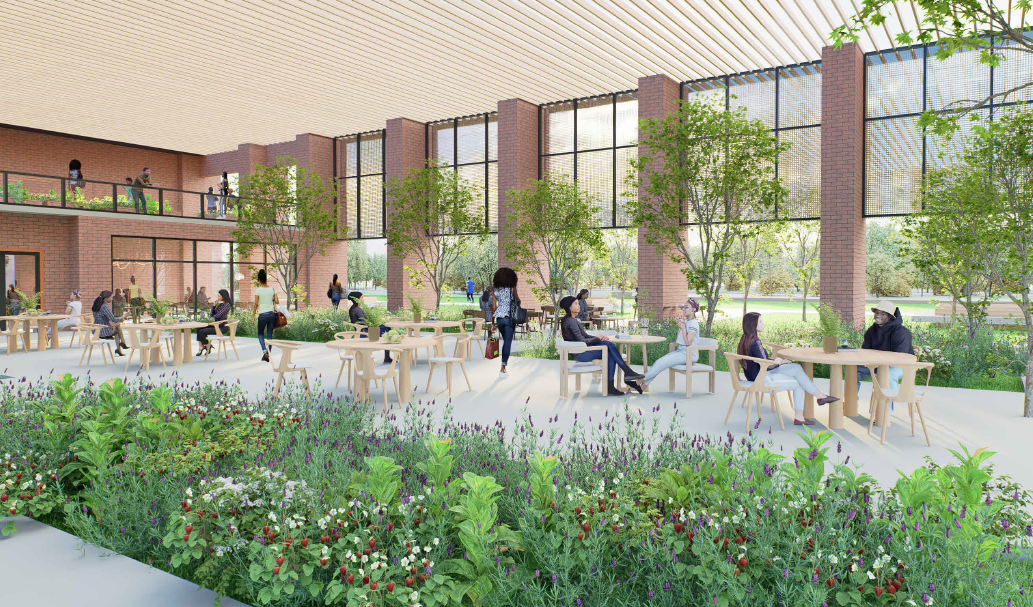
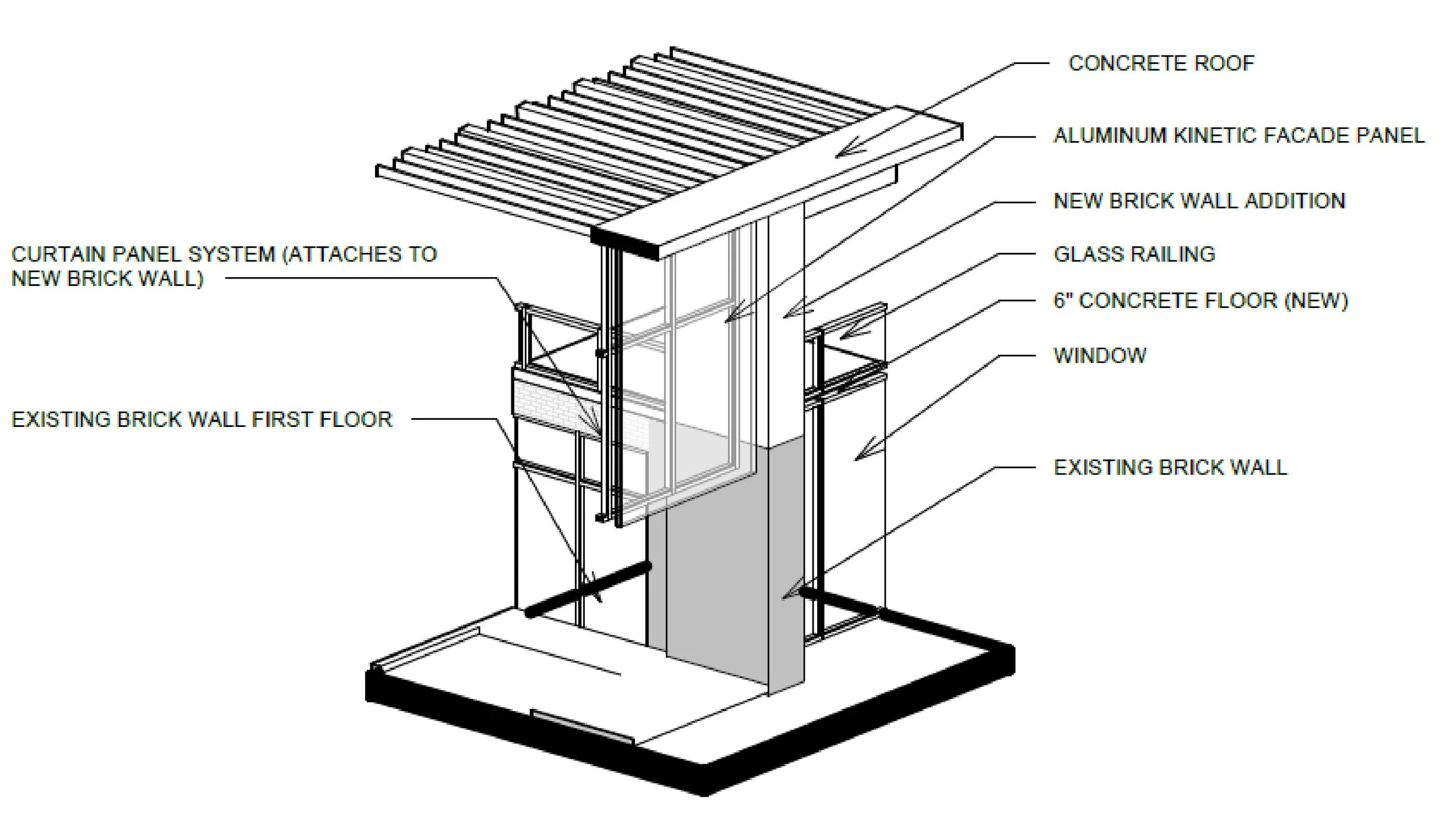
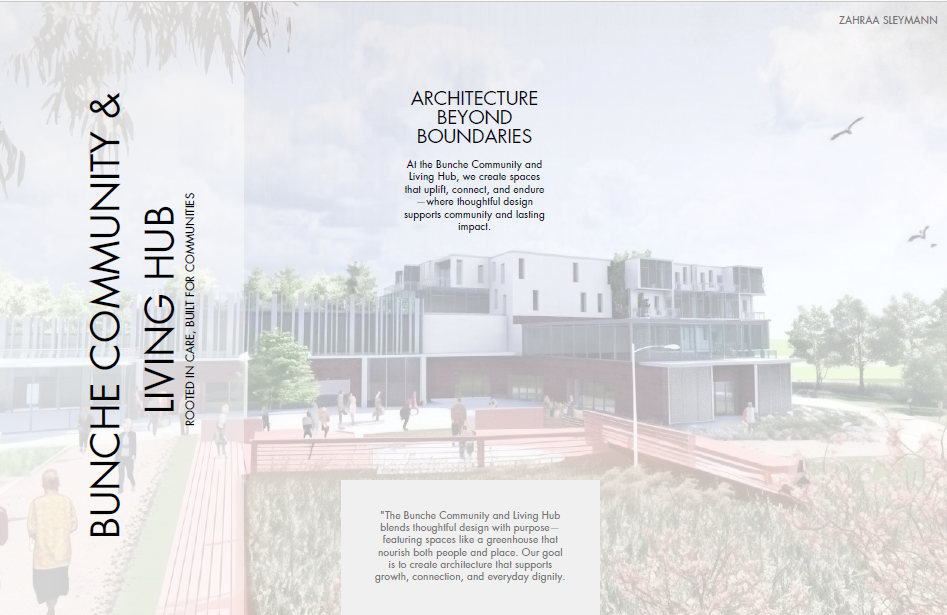
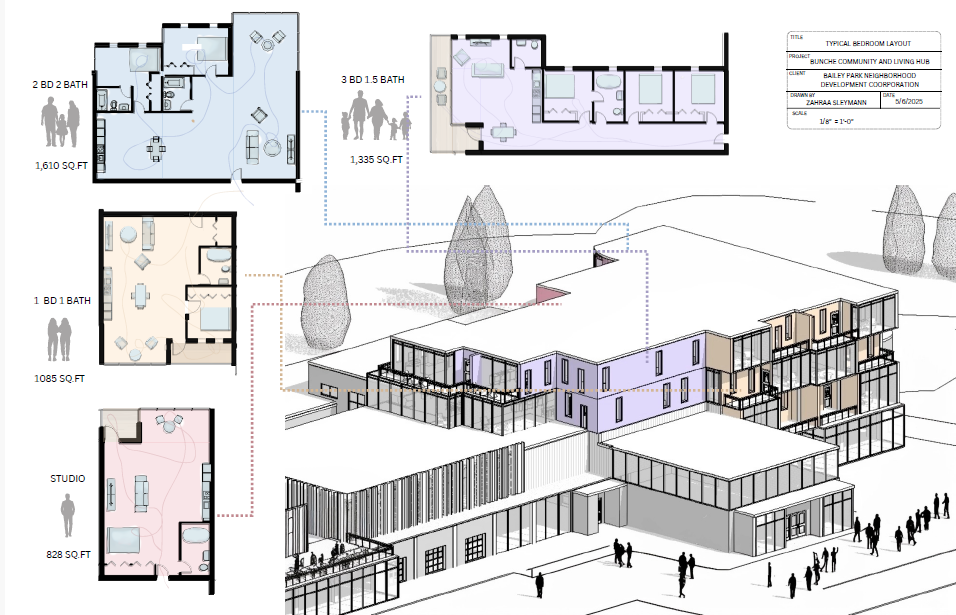
Project by Lawrence Technological University M.Arch student Zahraa Sleymann