Visual Communications
Visual Communication introduces students to various techniques and modes of architectural representation. The class discusses relationships between different types of visualizations and their respective historical, theoretical, and operational contexts. Students acquire practical skills for using specific representation techniques and investigating ideas supported by those techniques through lectures, tutorials, desk reviews, pin-ups, and reviews.
Specific representation techniques are explored through four assignments in the semester. Diving into the history of architectural representation, augmented with the introduction of techniques, strategies, and theories that surround them, the course exposes students to various modes of representation while providing each student with the disciplinary tools and technical skill sets to exploit and act discretionary with visualization techniques.
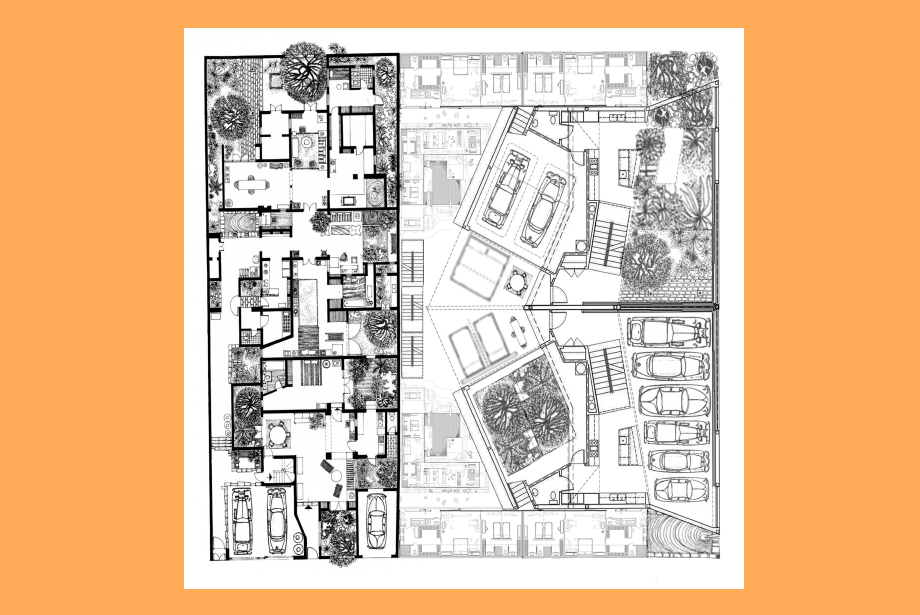
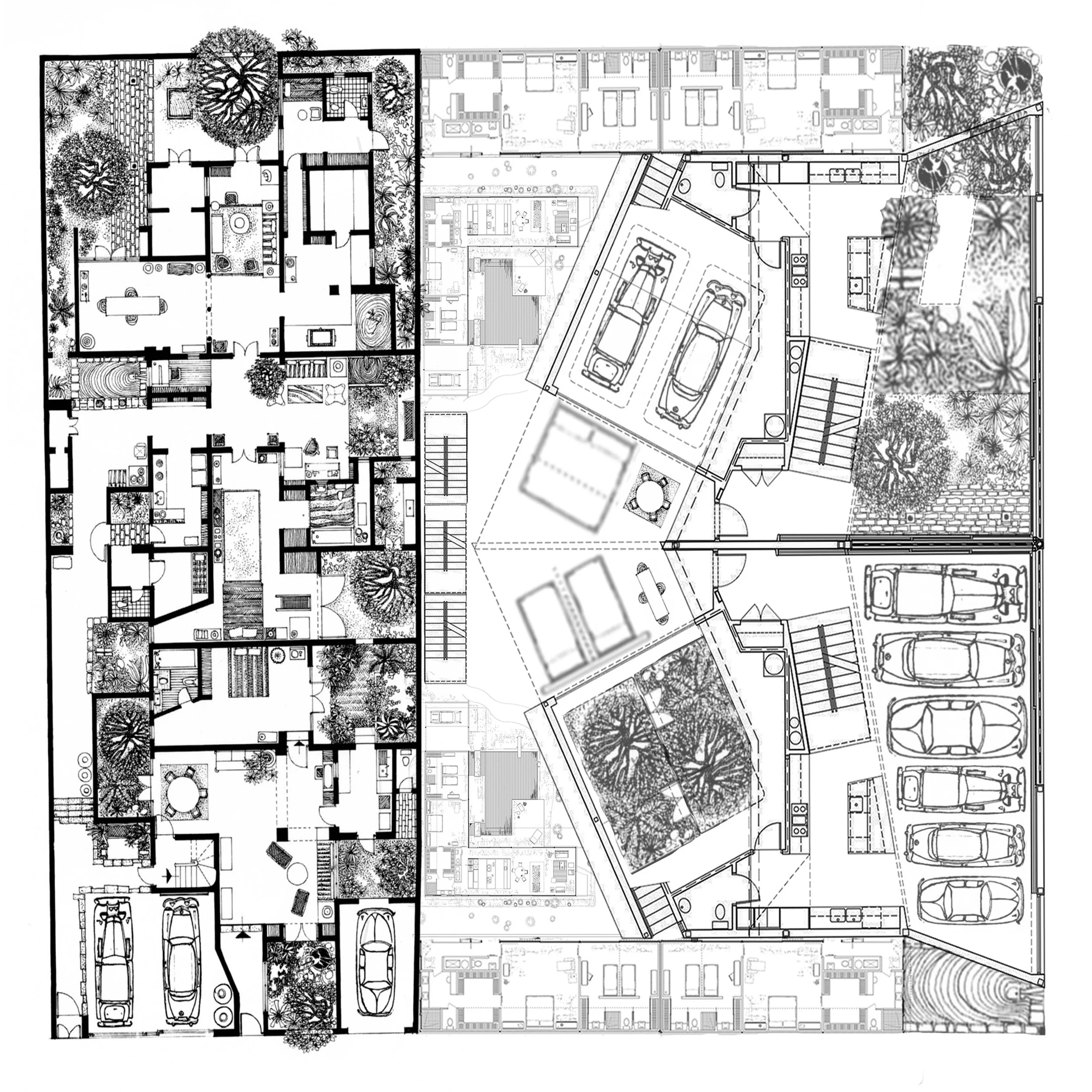
In this assignment students were introduced to the technique of collage. The students were provided with several precedent floor plans (33rd Lane, Bawa; A House for Oiso, Ghotmeh; Bewboc House, Tan; Capsul House K, Kurokawa; E-1027, Gray; Esherek House, Khan; Exhibition House, Breuer; Harpel House, Lautner; Hill House, Marklee; House 8, Hollien; House No. 20, MOS Architects; Marie Short Hoiuse; Murcutt; Stahl House, Koenig, etc.) as rasterized black-and-white JPEGs. The students then used collage to create new architectures as new urban agglomerations.
This exercise emphasizes the intrinsic logic of spaces and geometries, teaching students to identify alignments, organizational systems, and proportion. It allows students to focus on composition without worrying about drawing scale and line weight.
The student selects three house plans; a Primary Plan, a Secondary Plan and a Tertiary Plan which are copied, cut, rotated, mirrored, serialized, and otherwise manipulated to design the new agglomeration. The Primary house shall be the driver from which the student may “Knoll” the overall plan. The student must use the Primary Plan at least and no more than once in the composition. The Secondary Plan must be used at least two times and no more than three, and the tertiary plan or parts thereof must be used at least three times.
Collage City

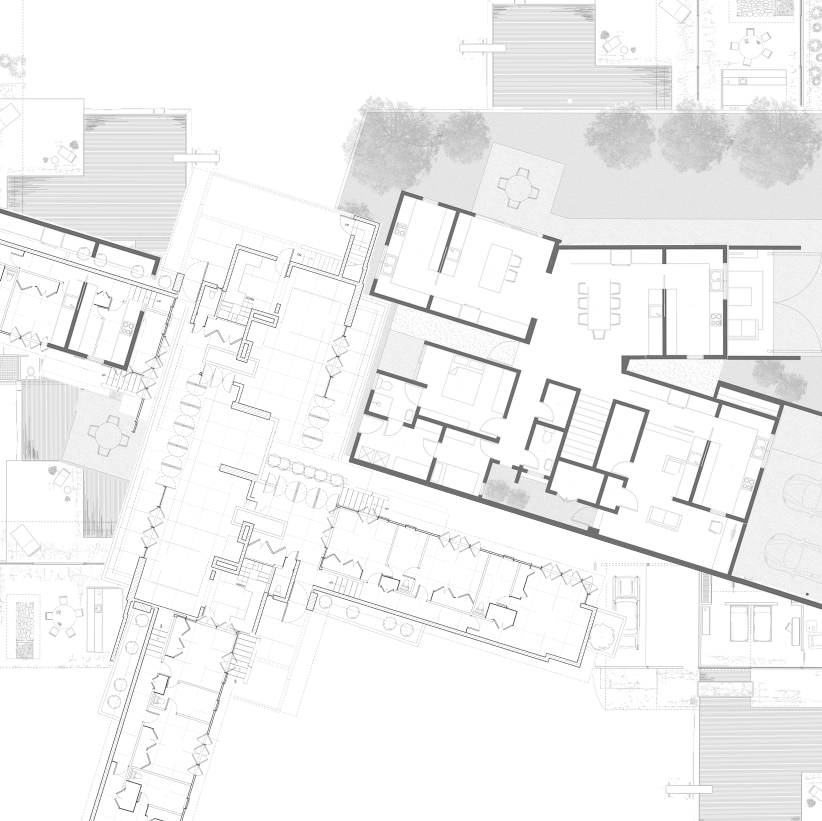
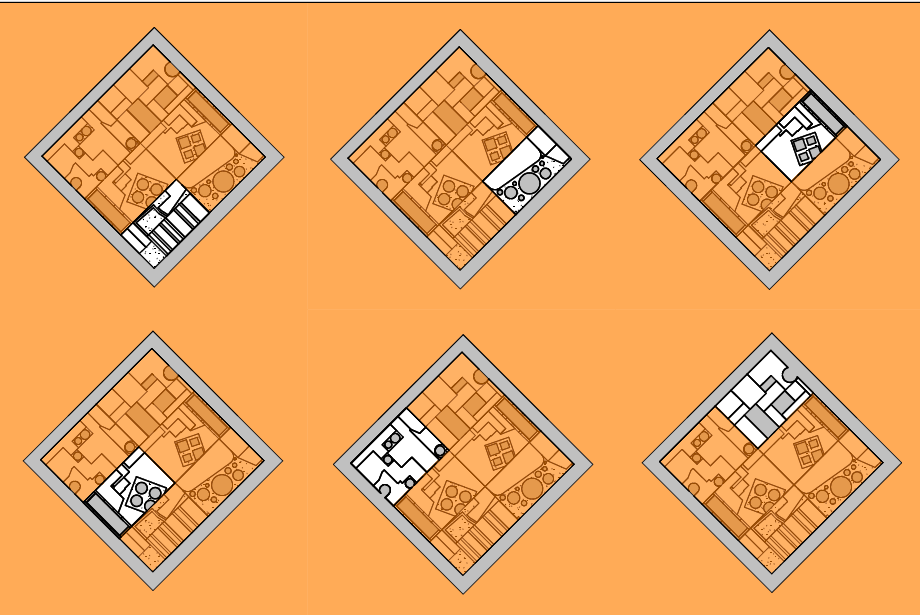
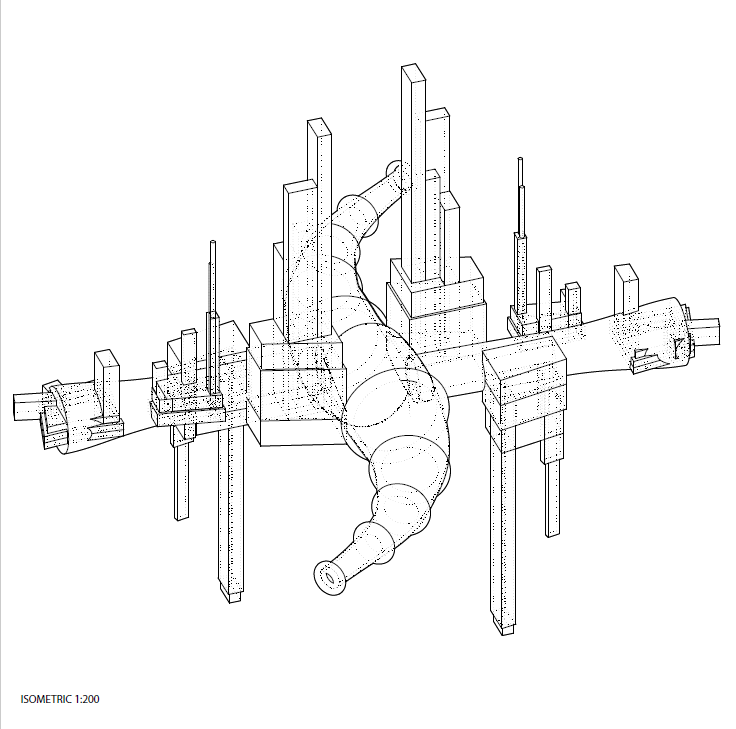
In this assignment, students were tasked with creating an object for the Metaverse, that is to say it is not affected by aspects such as gravity or rain. Expanding upon the initial concepts from the Collage City assignment, students were tasked with 3-dimensionalizing these concepts into an agglomerated mass. (Symmetry/asymmetry, radiality, proportion, Solid/Void relationships...)
Students used Rhino to digitally model your composition by tracing, extruding, mirroring, stepping, shifting, and manipulating masses derived from the Collage City assignment.
The goal is to create visual complexity but with a clear and describable "order." Students were required to model their composition such that one major element, or grouping of elements, occupied the center of the height of the bounding box and at least three secondary elements are above and below this center (Unless it goes against your concept.)
An Object in the Metaverse
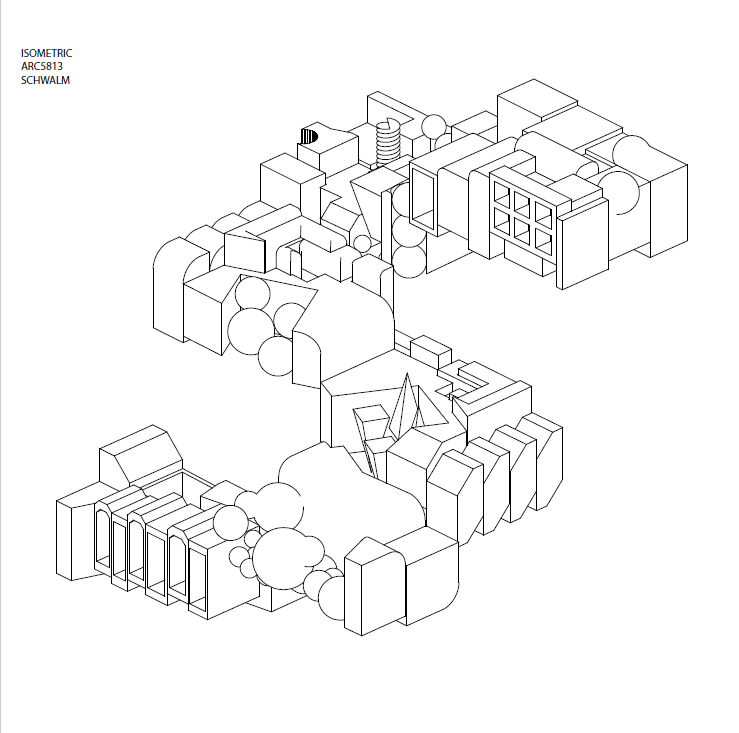
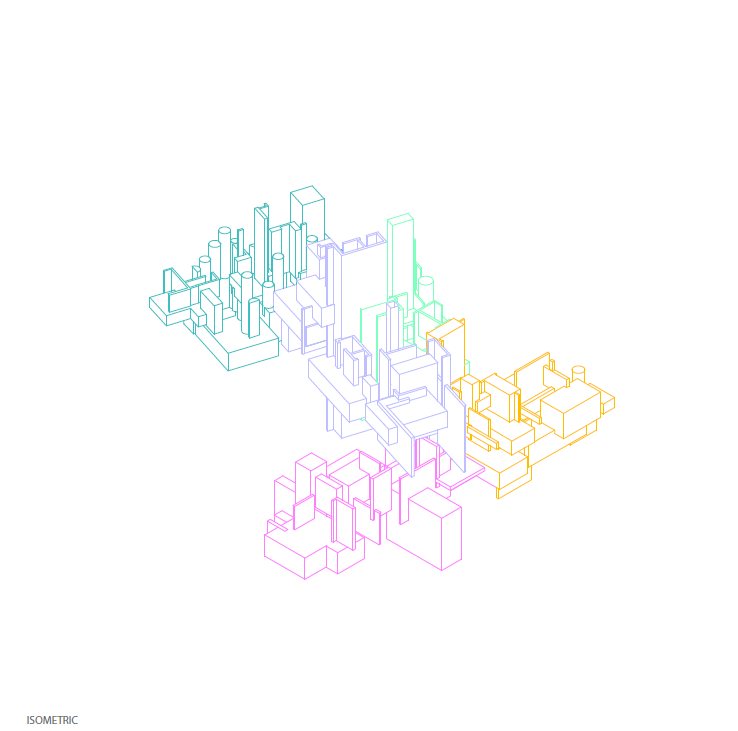
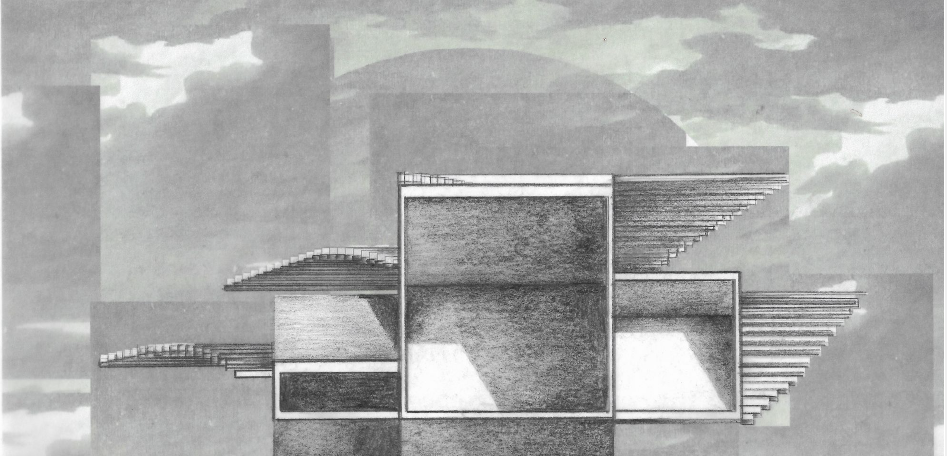
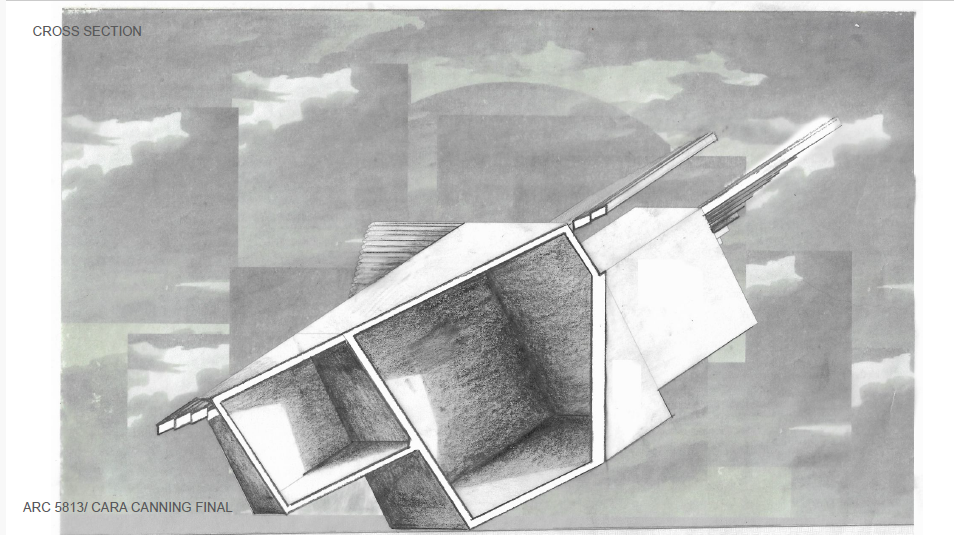
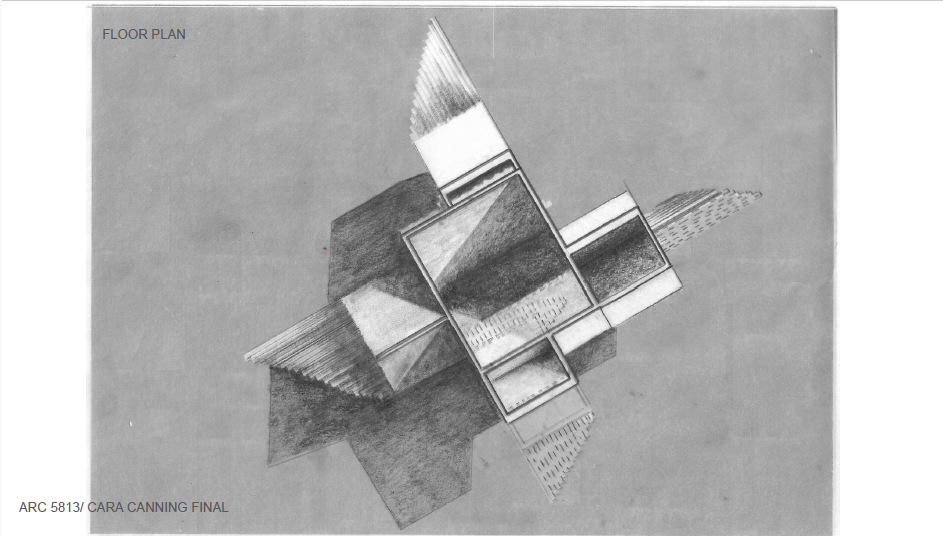
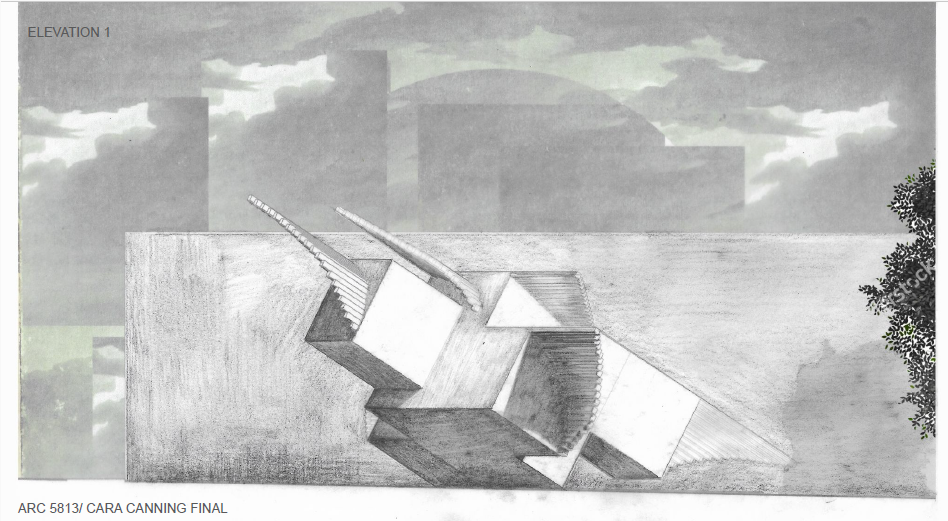
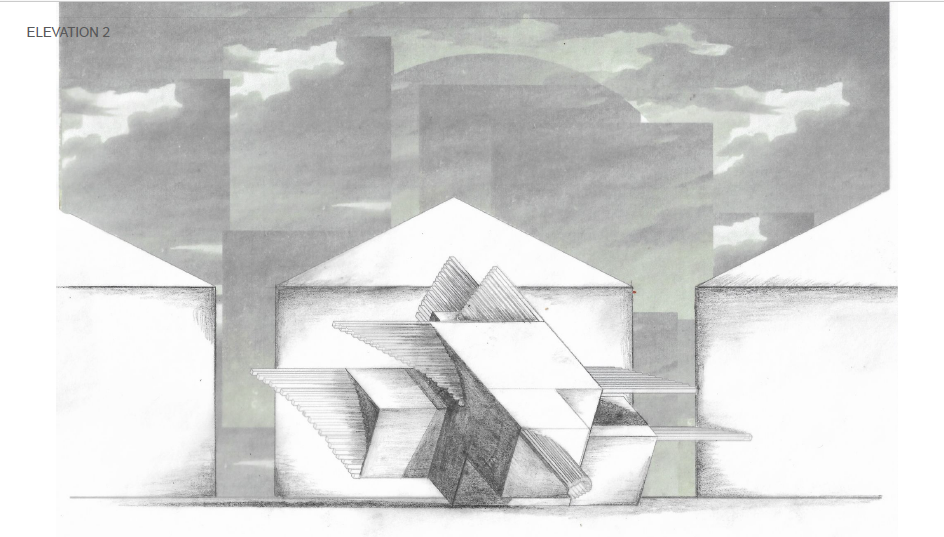
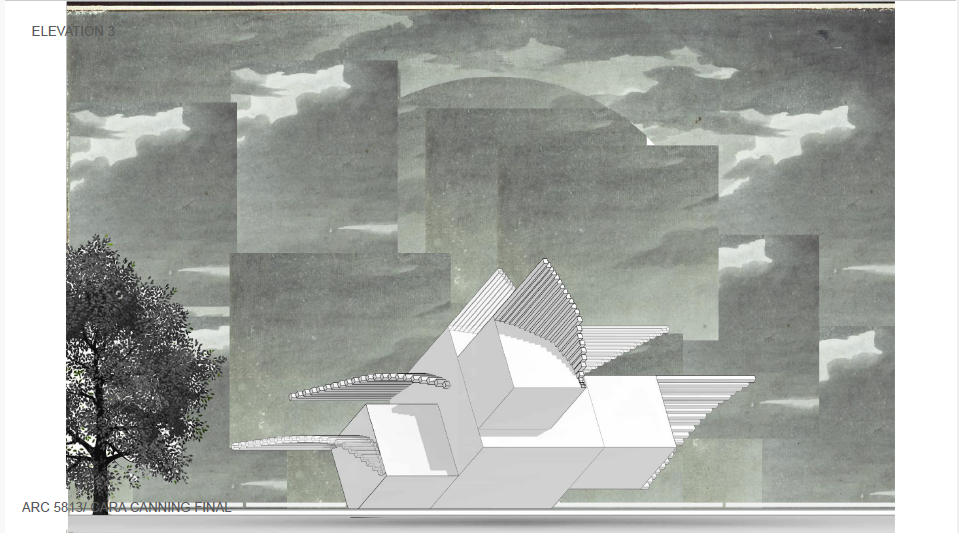
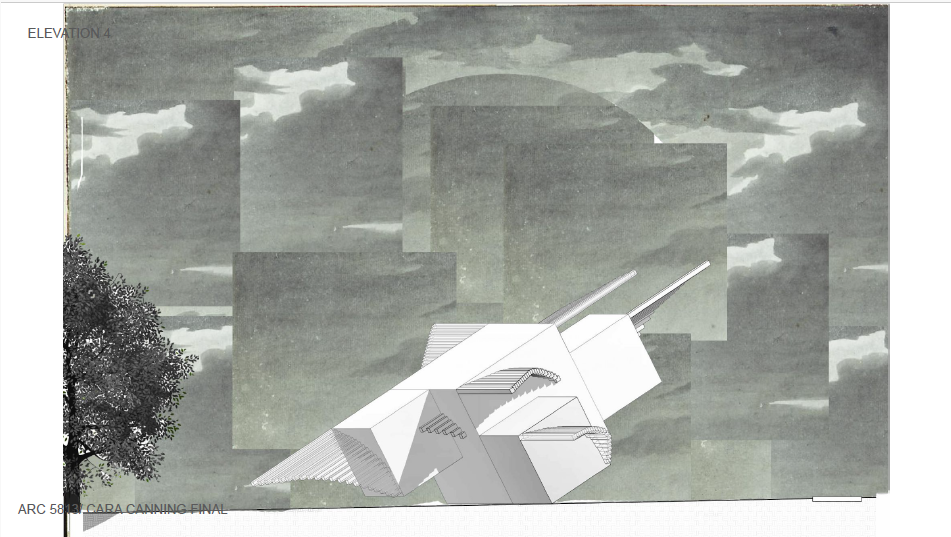
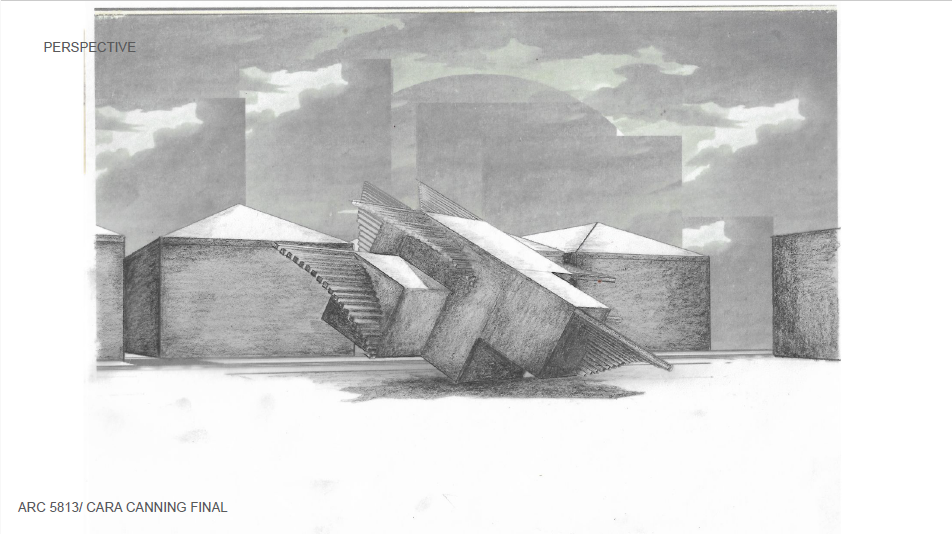
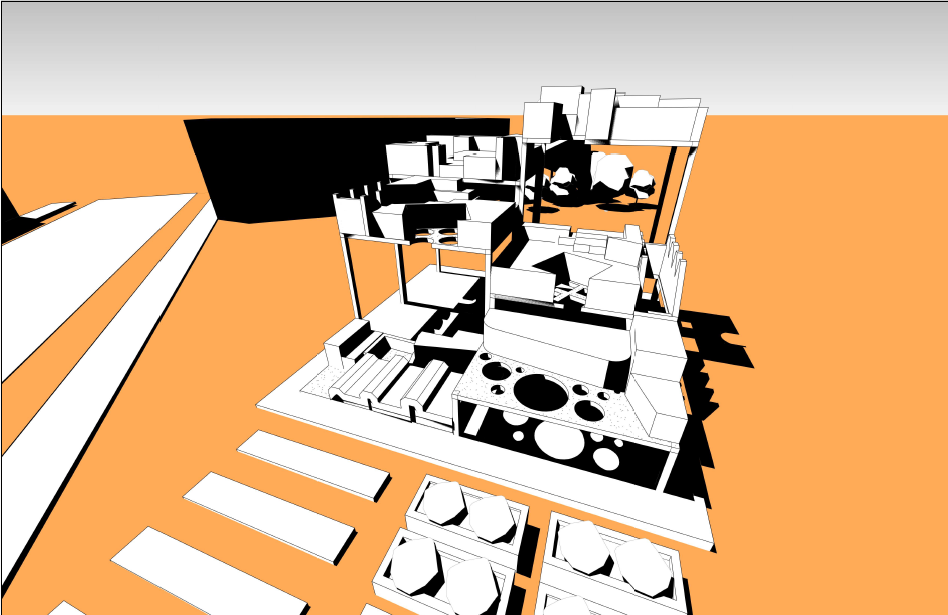
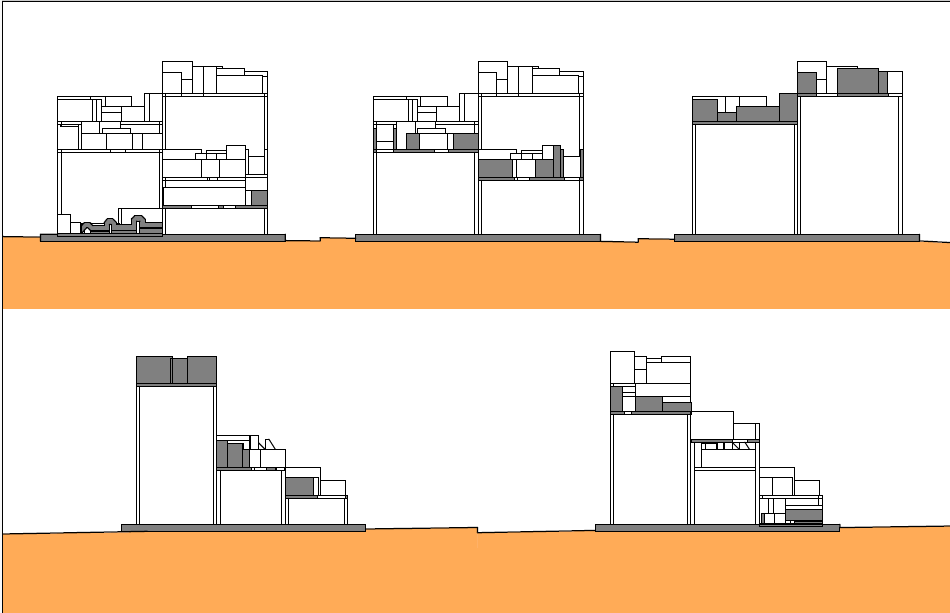
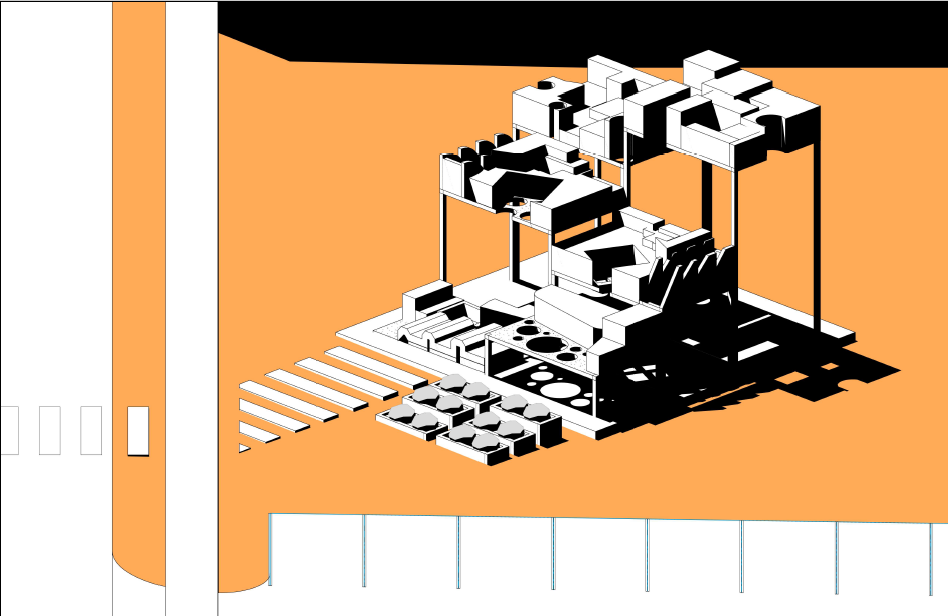
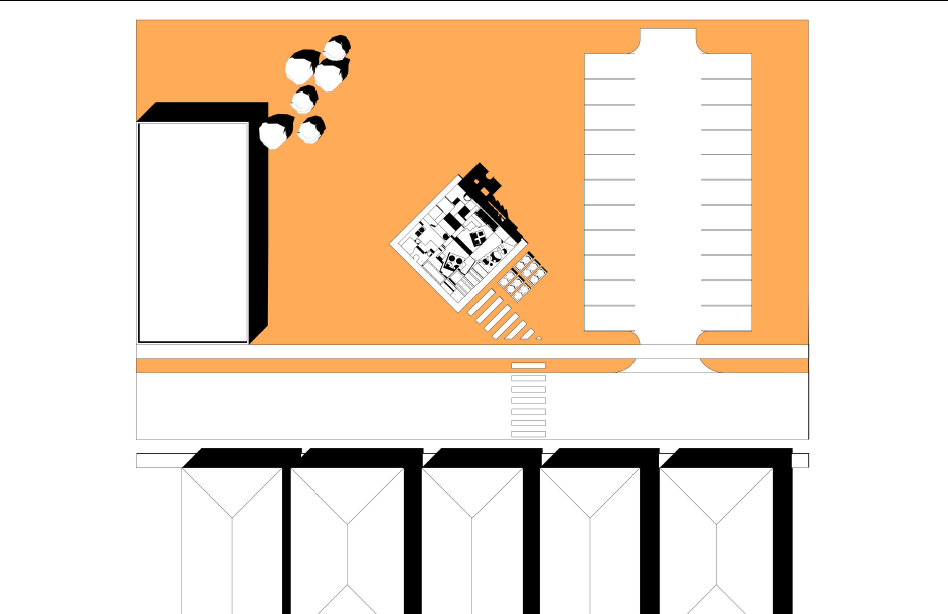
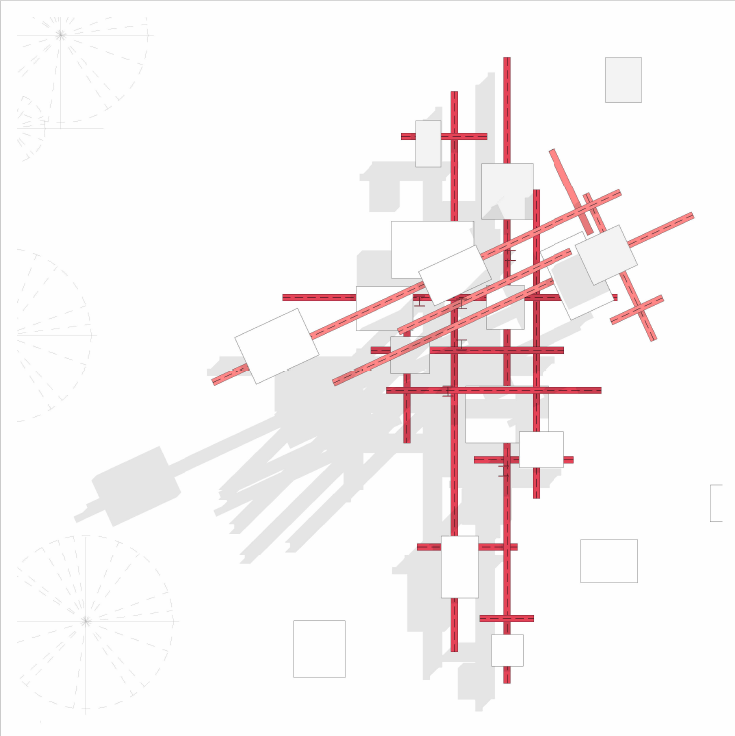
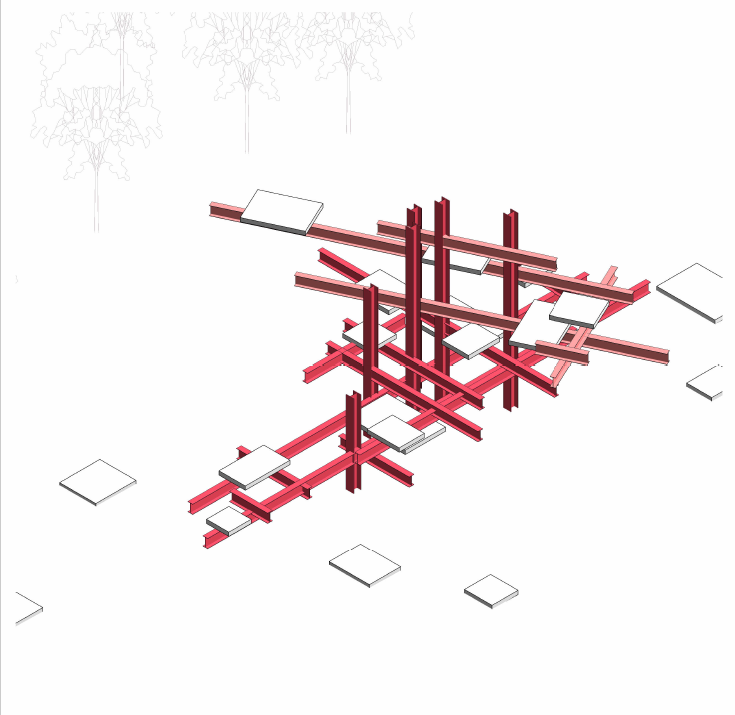
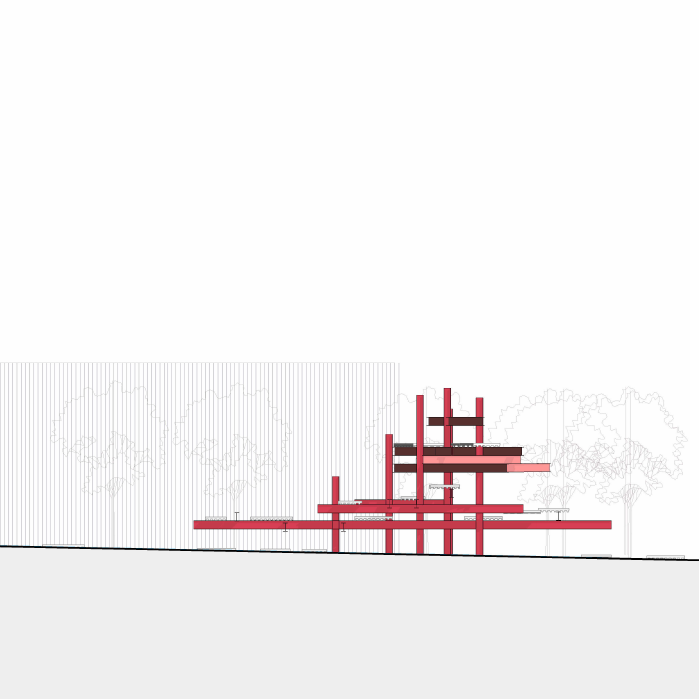
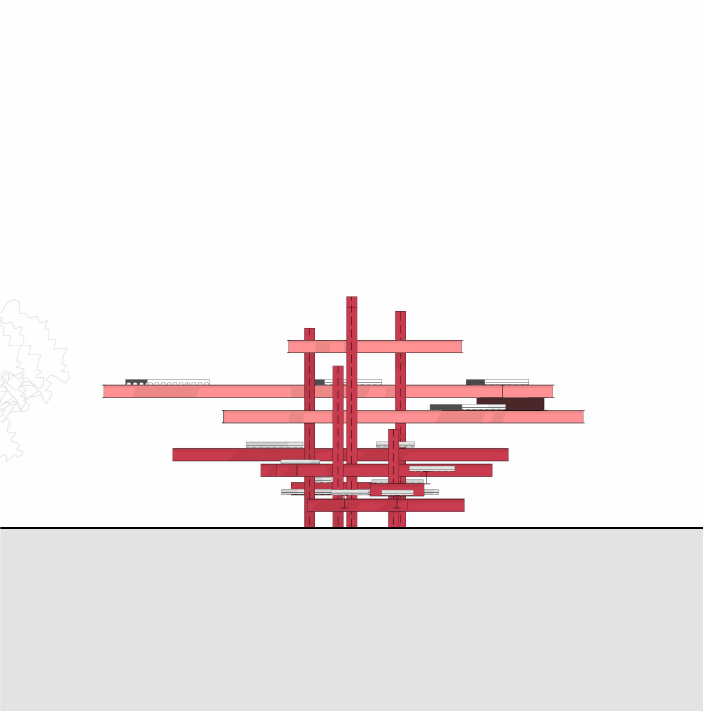
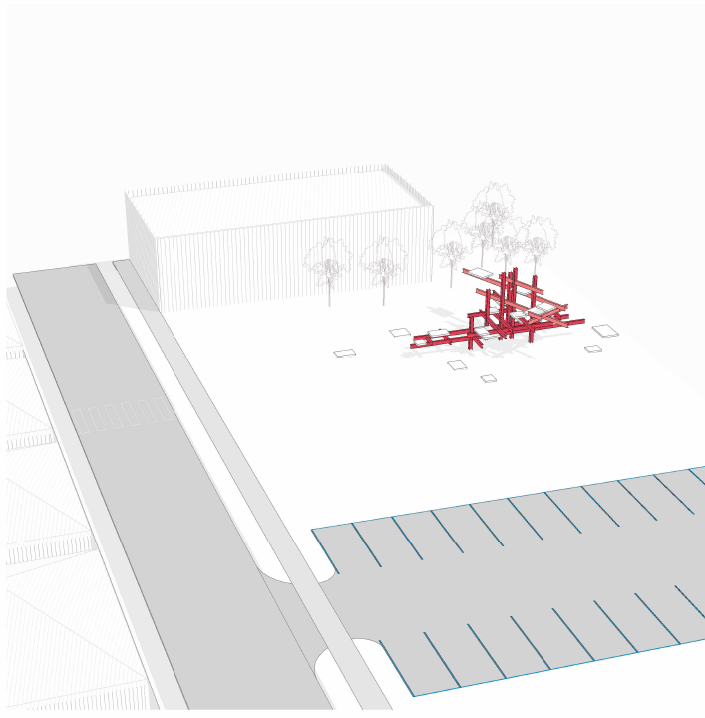
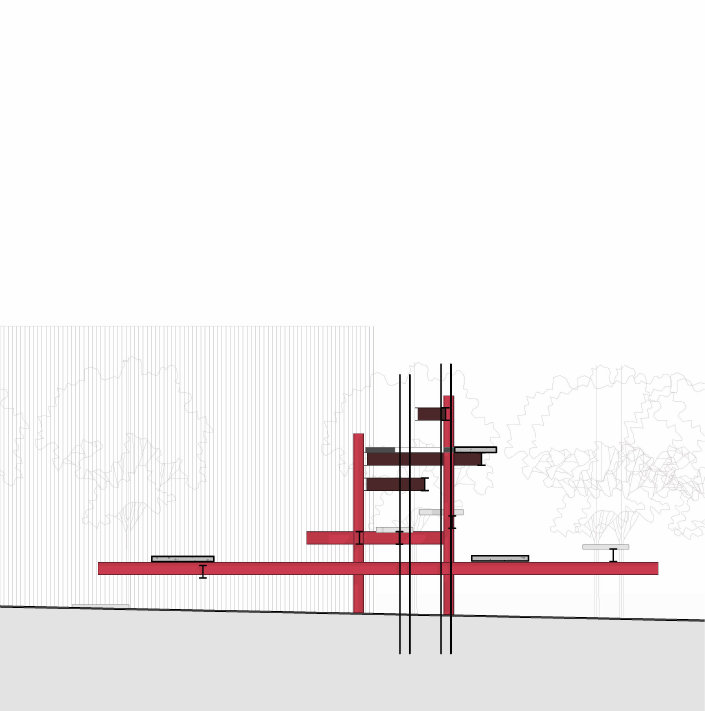
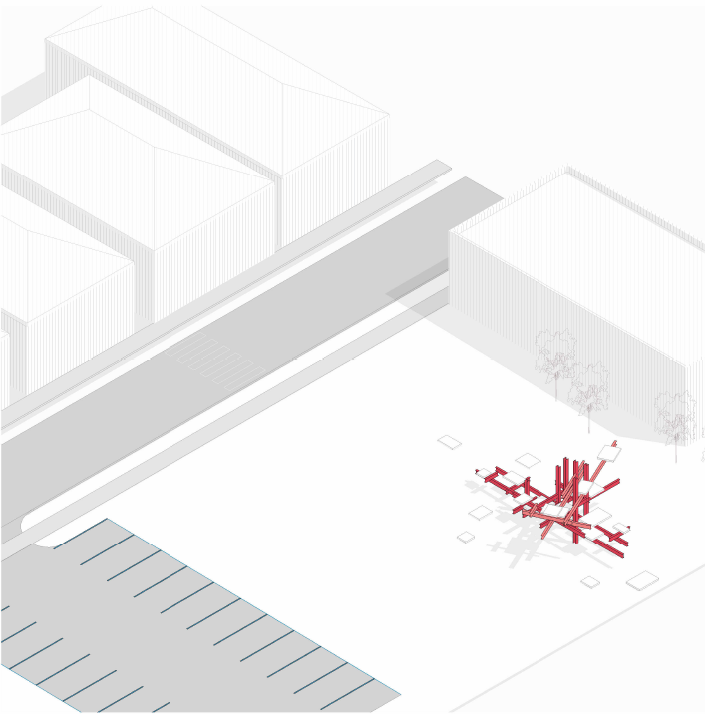
In this assignment students were asked to extract the essence of the 3-dimensional composition and materialize it in the form of an architectural Construct. This was done by utilizing physical model making as a tool to help guide the student towards a more cohesive, abstracted version, of the design.
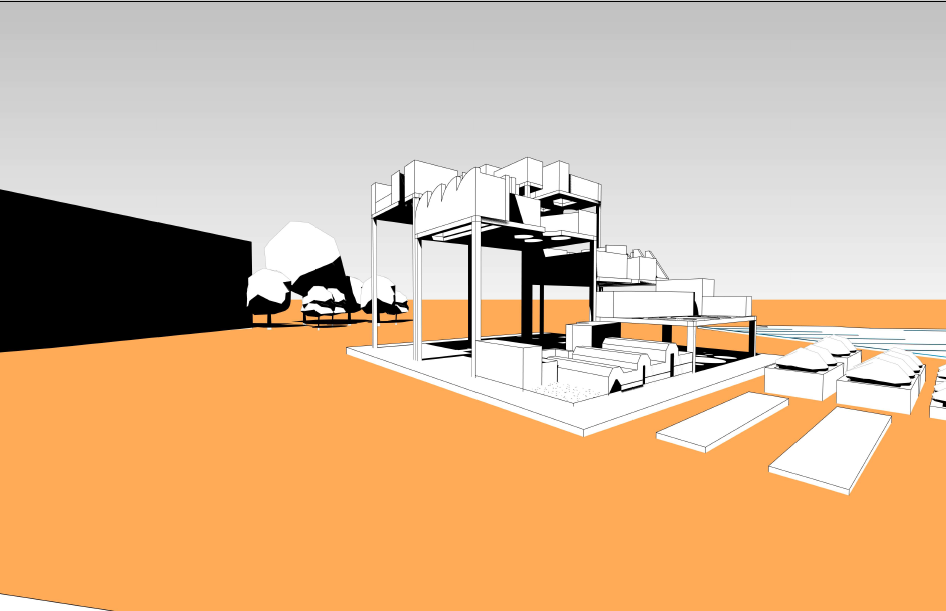
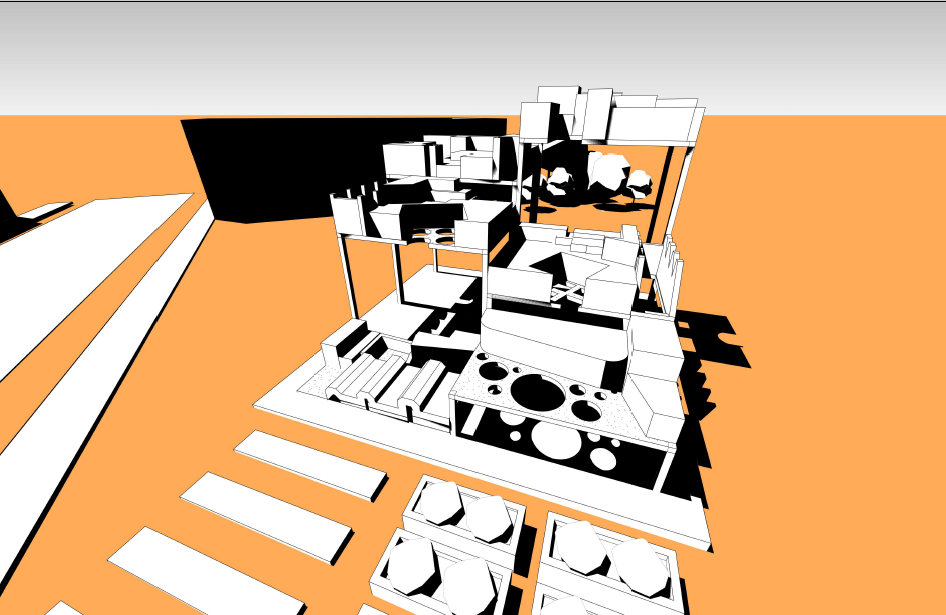
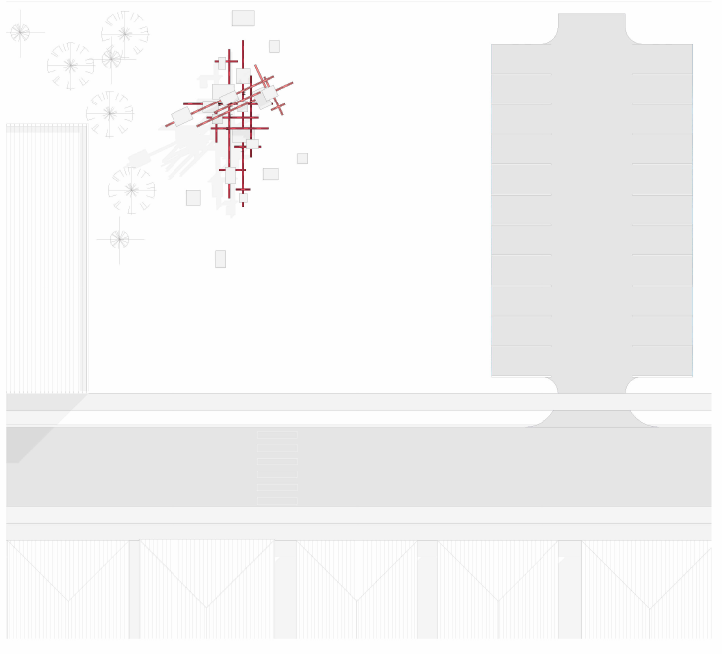
The student then built that abstracted 3d model into Autodesk Revit, a software traditionally utilized for construction documentation of buildings, and utilize it to create a series of visually communicative presentation drawings of the Construct.
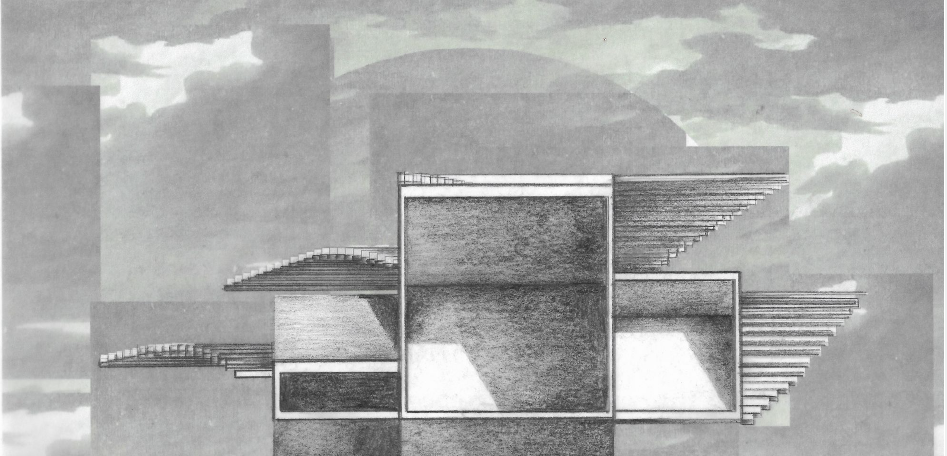
Representation of these 3-dimensional compositions was determined by the student. The students were given examples such as Hugh Farris, Archigram, Bernard Tschumi, Wes Jones, MOS, Young Ayata, Isamu Noguchi, Paul Rudolph, amongst others to help inspire their representation techniques. The results were artistic and innovative.
Co-Opting BIM